Care After Tooth Extraction: 6 Tips | SDC Dental Center
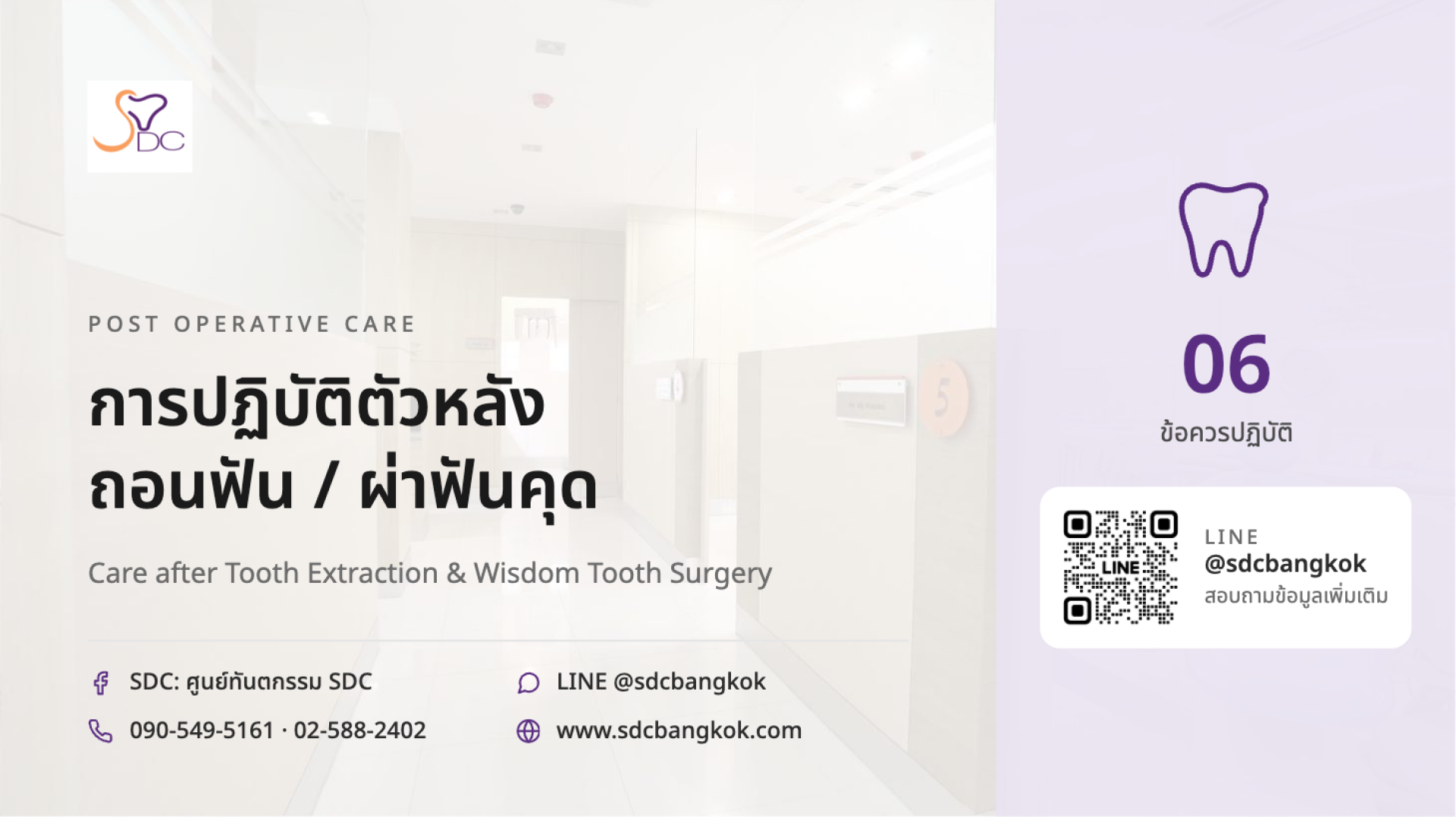
Care After Tooth Extraction and Wisdom Tooth Surgery: 6 Tips for Faster Healing
Proper care after tooth extraction helps stop the bleeding, reduces pain and swelling, and lets the wound heal well. This guide shares the six steps recommended by the dentists at SDC Dental Center, what is normal during recovery, and when you should call your dentist.
Care after tooth extraction is the part of treatment that many patients overlook. Once the tooth or wisdom tooth is out, it is easy to think the job is done. In reality, the wound in your mouth needs time and the right care to close completely. Small mistakes in the first few days can lead to longer bleeding, infection, or slow healing.
Why Care After Tooth Extraction Matters
After an extraction or wisdom tooth surgery, your body forms a blood clot in the empty socket. This clot works like a natural bandage. It stops the bleeding, protects the bone and nerves underneath, and gives new tissue a frame to grow on.
If the clot breaks down or never forms properly, the socket is left open. This can cause more pain and delay healing. Good aftercare therefore has three simple goals: protect the blood clot, control swelling, and keep your mouth clean.
6 Steps of Care After Tooth Extraction and Wisdom Tooth Surgery
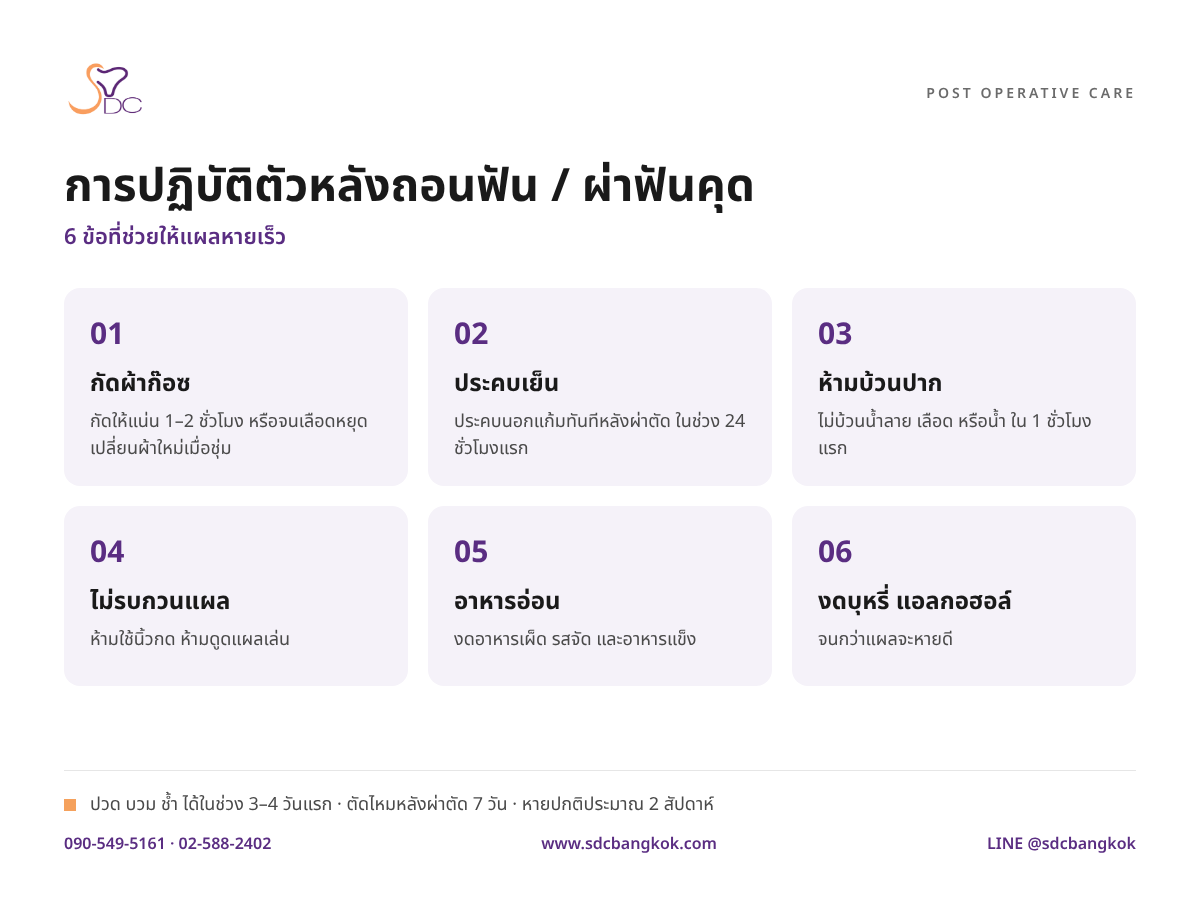
- Bite Firmly on the Gauze
Bite down firmly on the gauze for one to two hours, or until the active bleeding stops. If the gauze becomes soaked, replace it with a clean piece and bite again. Steady pressure helps the bleeding stop and allows the blood clot to start forming. Try not to talk too much or open your mouth often during this time. - Apply a Cold Pack Right After Surgery
Place a cold pack or ice wrapped in a cloth on your cheek, near the surgery area, straight after the procedure and on and off for the first 24 hours. Cold reduces swelling and bruising. Do not chew or suck on ice. - Do Not Spit or Rinse for the First Hour
For the first hour after wisdom tooth surgery, do not spit out saliva, blood, or water, and avoid rinsing your mouth vigorously. Spitting creates pressure that stops the blood clot from setting, so the bleeding may continue. If saliva builds up, swallow normally or dab gently with gauze. - Leave the Wound Alone
Do not touch the surgical area with your finger or tongue, and do not suck on the wound. These habits can dislodge the blood clot and bring bacteria into the socket. Most people do this without noticing, so make a conscious effort to let the area rest. - Eat Soft Food and Avoid Spicy Dishes
Choose soft food that is easy to eat, such as rice porridge, soup that is not too hot, or steamed egg. Chew on the opposite side of your mouth. Avoid spicy food, strongly flavoured dishes, and hard or crunchy food, which can irritate or disturb the wound. - Avoid Smoking and Alcohol
Smoking and alcohol slow healing and raise the risk of infection. Stay away from both at least until the wound has healed. This is especially important after wisdom tooth surgery, because the wound is usually larger than after a simple extraction.
What Is Normal During Recovery.
Even with good care after tooth extraction, some symptoms are part of the normal healing process.
- Day 1: A little oozing of blood is common, and you may feel pain once the anaesthetic wears off. Take your medication as prescribed by your dentist and continue using the cold pack as advised.
- Days 2 to 4: Pain, swelling, or bruising is usually most noticeable during the first three to four days. This is normal, and it should improve gradually after that.
- Weeks 1 to 2: About seven days after surgery, return to your dentist to have the stitches removed and the wound checked. In most cases the area heals completely in about two weeks.
When to Contact Your Dentist
Call your dentist straight away if you notice any of the following:
- Bleeding that does not stop even after biting on gauze for a long time
- Pain or swelling that gets worse after day four instead of better
- Fever, pus, or an unusual smell from the wound
- Increasing difficulty opening your mouth or swallowing
Frequently Asked Questions About Care After Tooth Extraction
- Can I brush my teeth after an extraction?
Yes. Brush as usual, but be gentle and avoid the wound area on the first day so the blood clot is not disturbed. - How long does swelling last after wisdom tooth surgery?
Swelling usually peaks in the first three to four days, then goes down gradually. Most people are back to normal in about two weeks. - What can I eat after a tooth extraction?
Stick to soft food that is not hot or spicy, such as porridge, soup, and steamed egg. Return to your usual diet step by step as the wound improves. - Why do I need a follow-up visit?
The appointment about seven days after surgery is for removing the stitches and checking that the wound is closing well, with no inflammation or infection. If there is a problem, your dentist can treat it early. Please keep this appointment even if you already feel better.
Care after tooth extraction and wisdom tooth surgery is simple: bite on gauze, use a cold pack, do not spit for the first hour, leave the wound alone, eat soft food, and avoid smoking and alcohol. These steps help the wound heal faster and lower the risk of complications.
If you have any questions about care after tooth extraction, or need to book your stitch removal
contact SDC Dental Center at 090-549-5161 or 02-588-2402, or on LINE @sdcbangkok.